LEGO 10326 Natural History Museum
- Published
- April 2, 2026
- Pieces
- 4,014
- MSRP / street
- $299.99 USD
BrickScore breakdown
- Build quality9/10
- Value8/10
- Instructions9/10
- Design7/10
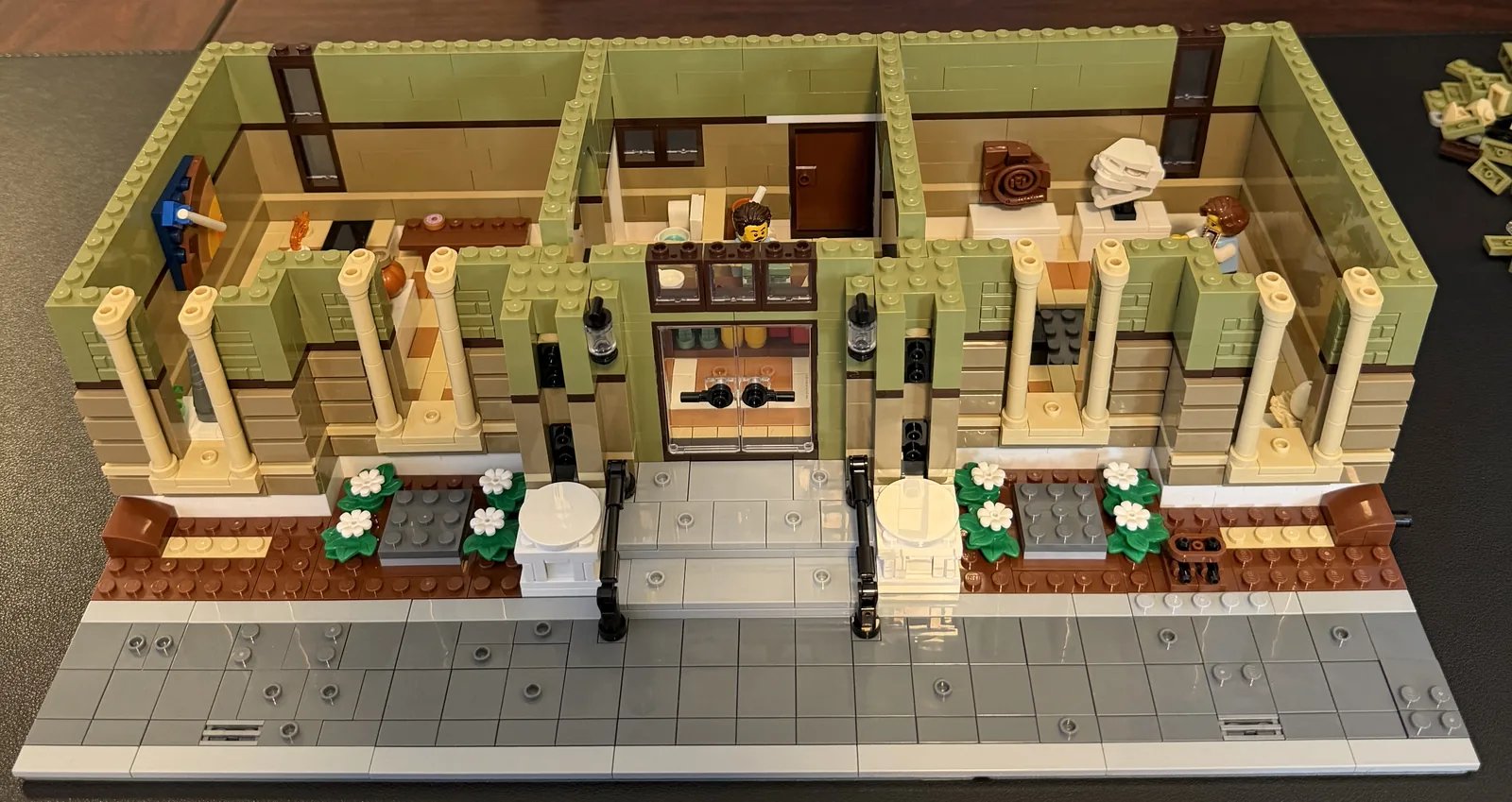
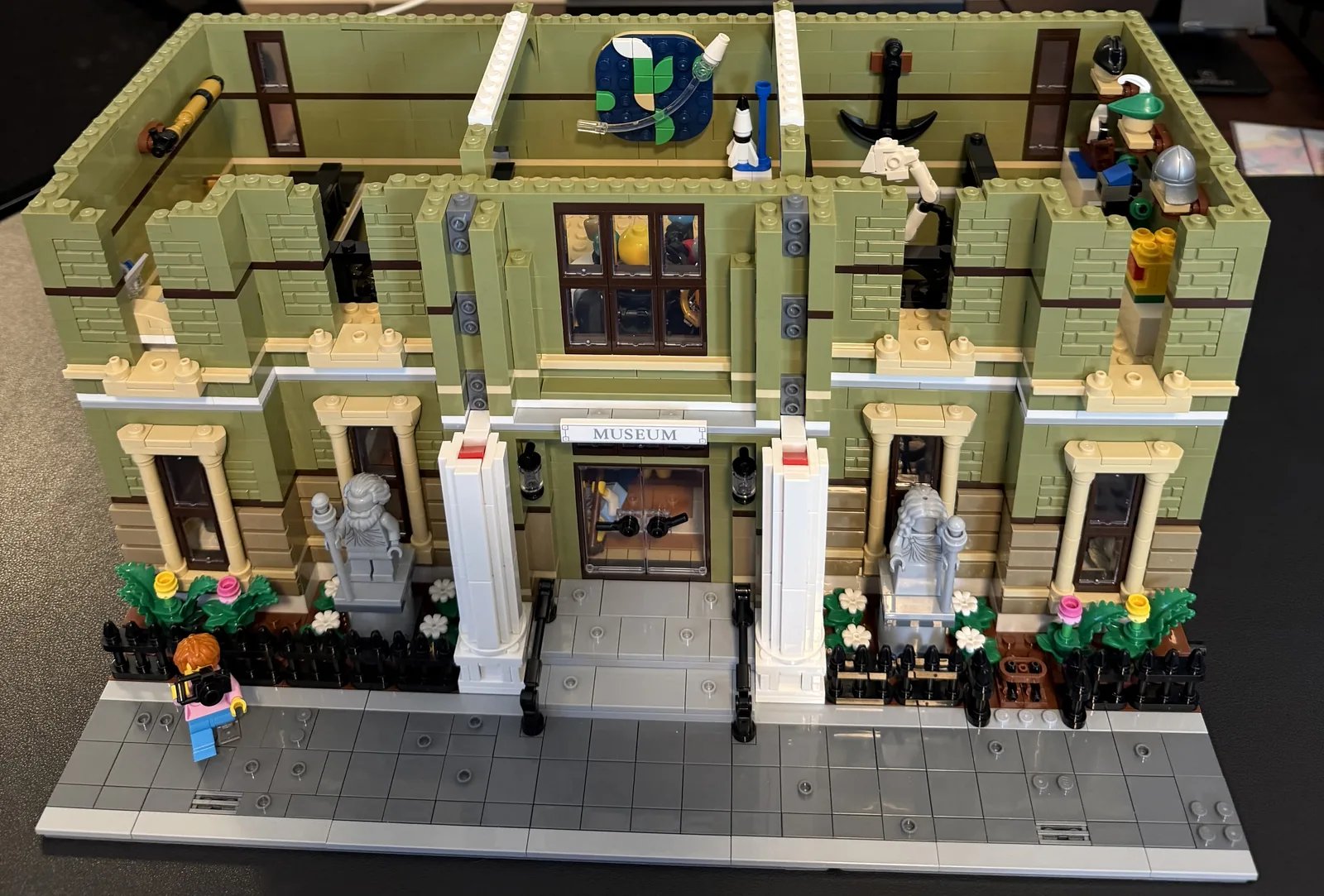
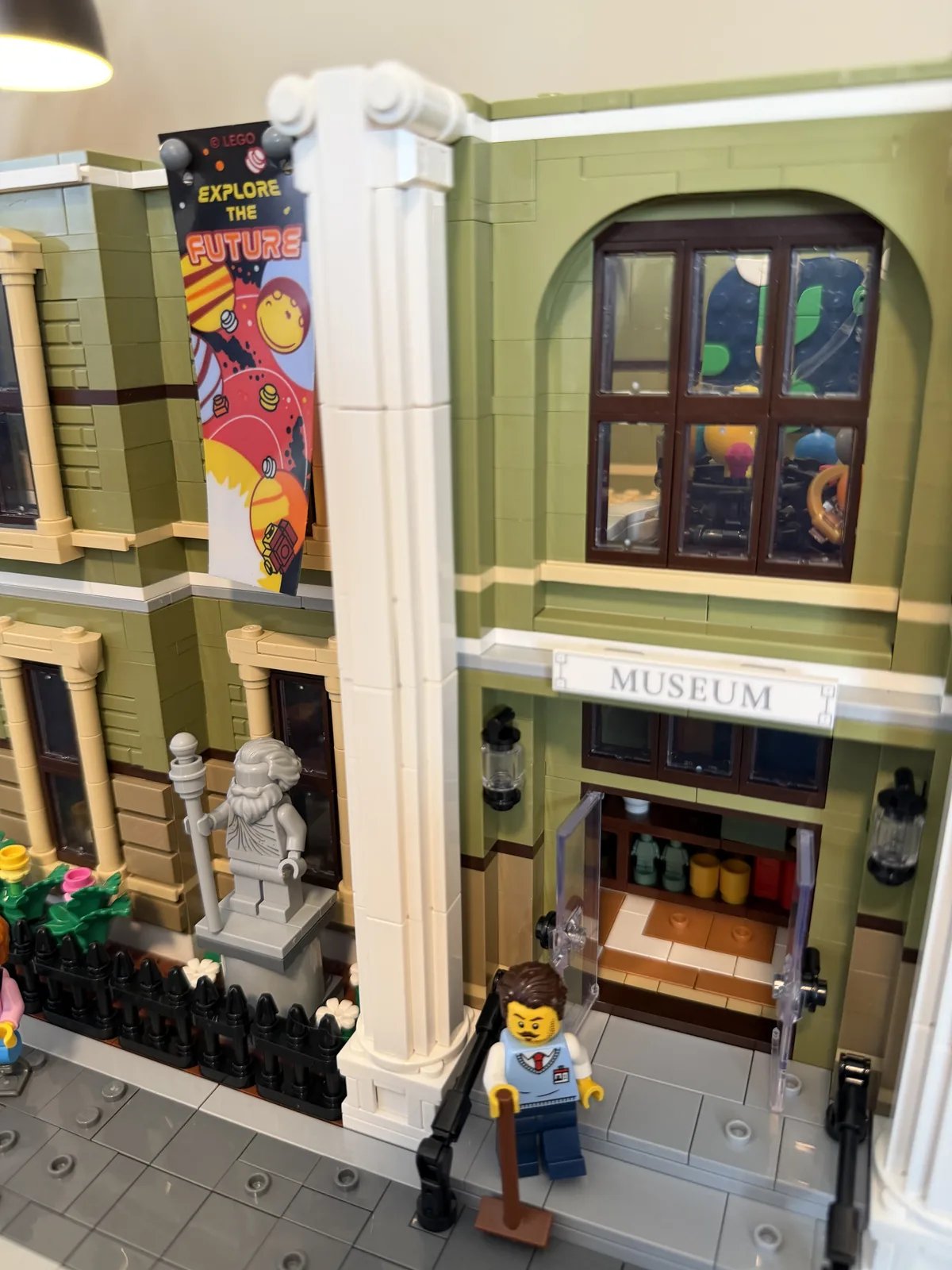
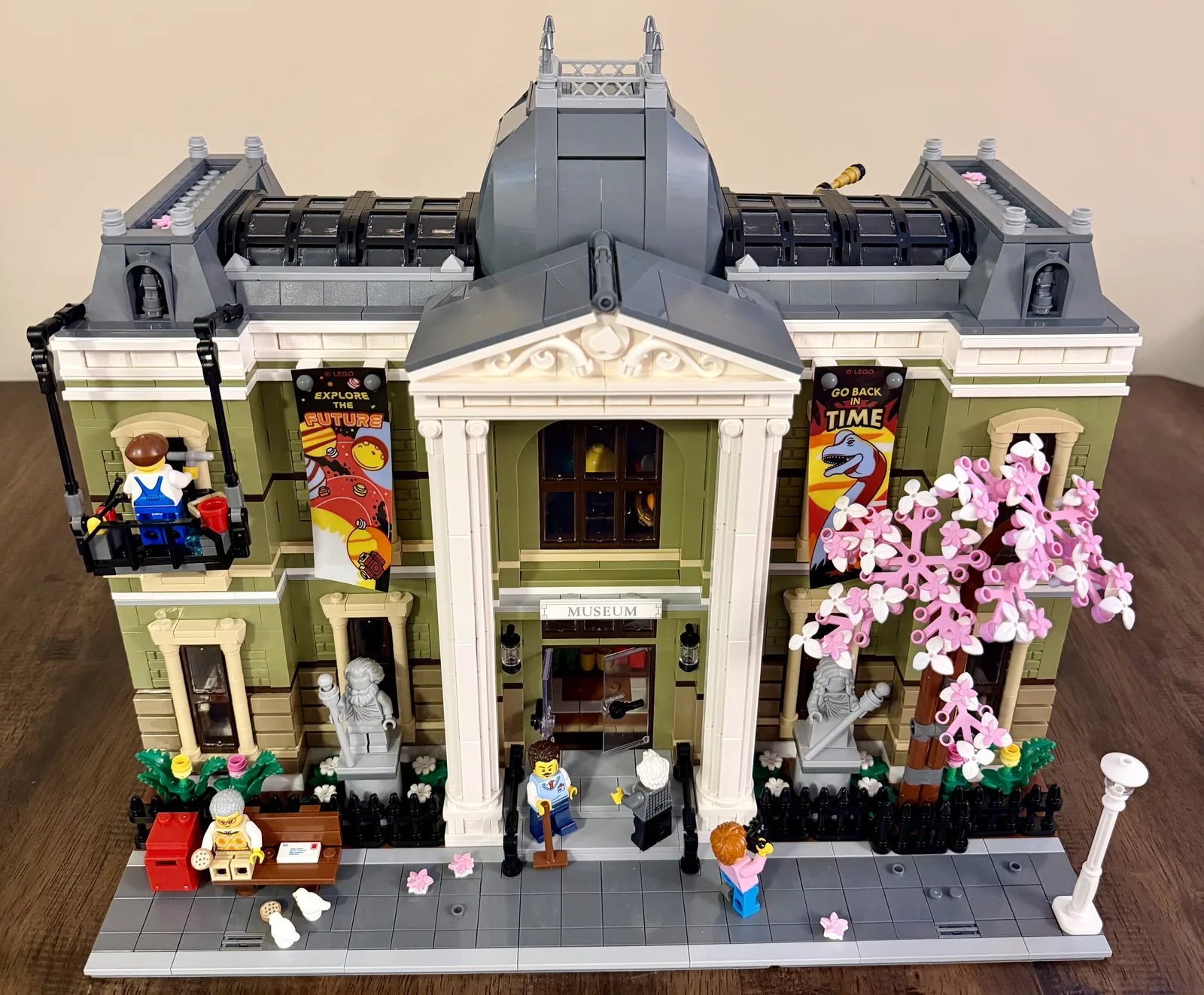
We here at brickreport.io love modular LEGO builds and up for review today is the LEGO Icons Natural History Museum (10326). This is a big building. It comes in at 4014 pieces in 33 bags and is more than one baseplate wide.
What you get in the box
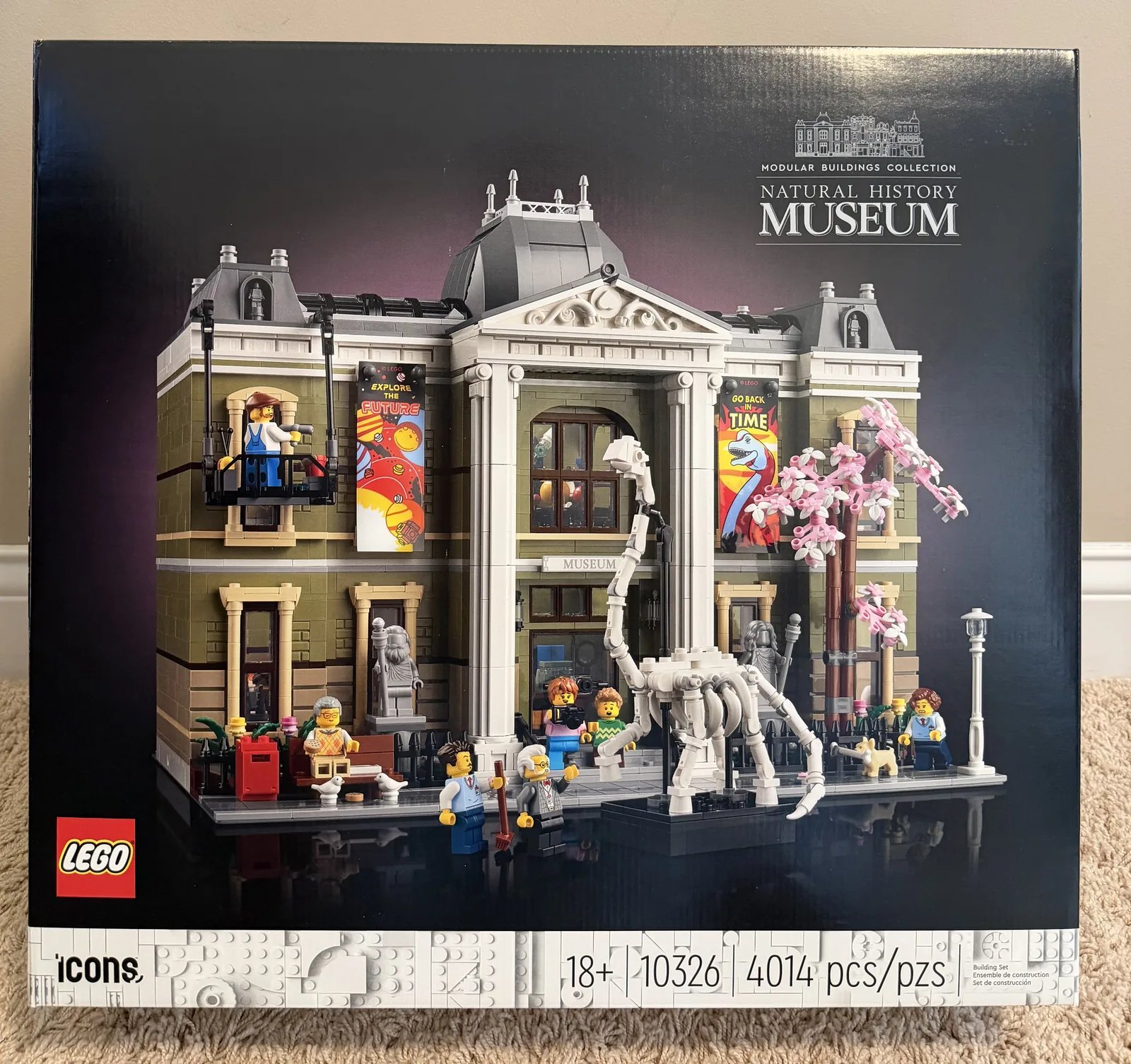
Designed by Chris McVeigh and released on December 1, 2023, the Natural History Museum is the 19th set in the LEGO Icons modular buildings collection — and the biggest of them all. Its 4,014 pieces edge out the previous record-holder, 10255 Assembly Square, to make it the largest modular building LEGO has ever produced. It's only the second modular to occupy a full 48-stud-wide footprint, built across two baseplates (a standard 32x32 plus a 16x32 extension), so the museum gets that entire width to itself instead of sharing it with neighboring storefronts.
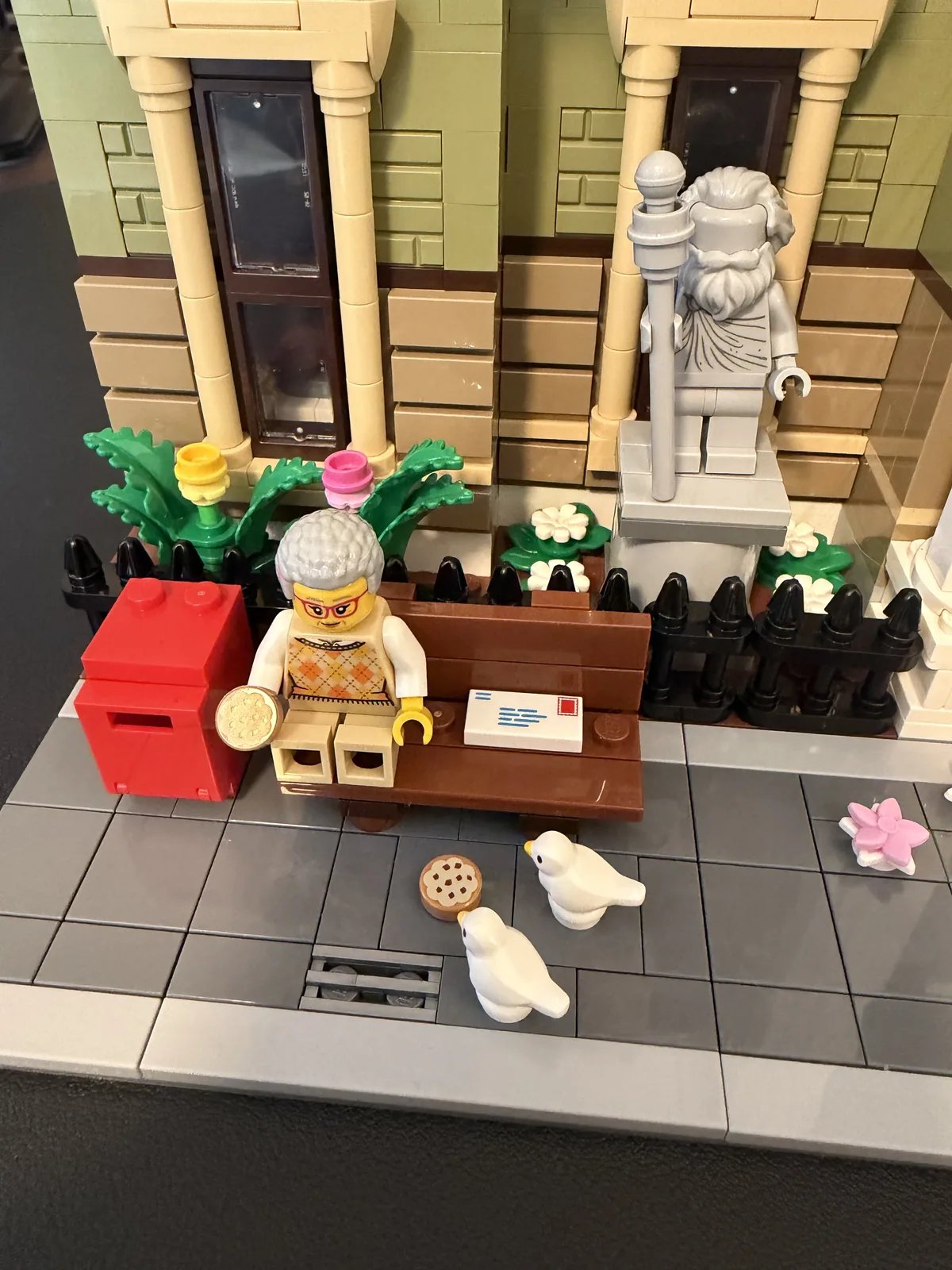
At $299.99 (£259.99 / €299.99) it's recommended for ages 18+ and includes seven minifigures, a dog and two birds. The curator is a nice nod to LEGO history, inspired by the classic Adventurers theme. Fully assembled it stands around 12 in. (31 cm) tall, 15 in. (39 cm) wide, and 10 in. (25 cm) deep, so make sure you've got the shelf space before you commit.
The build
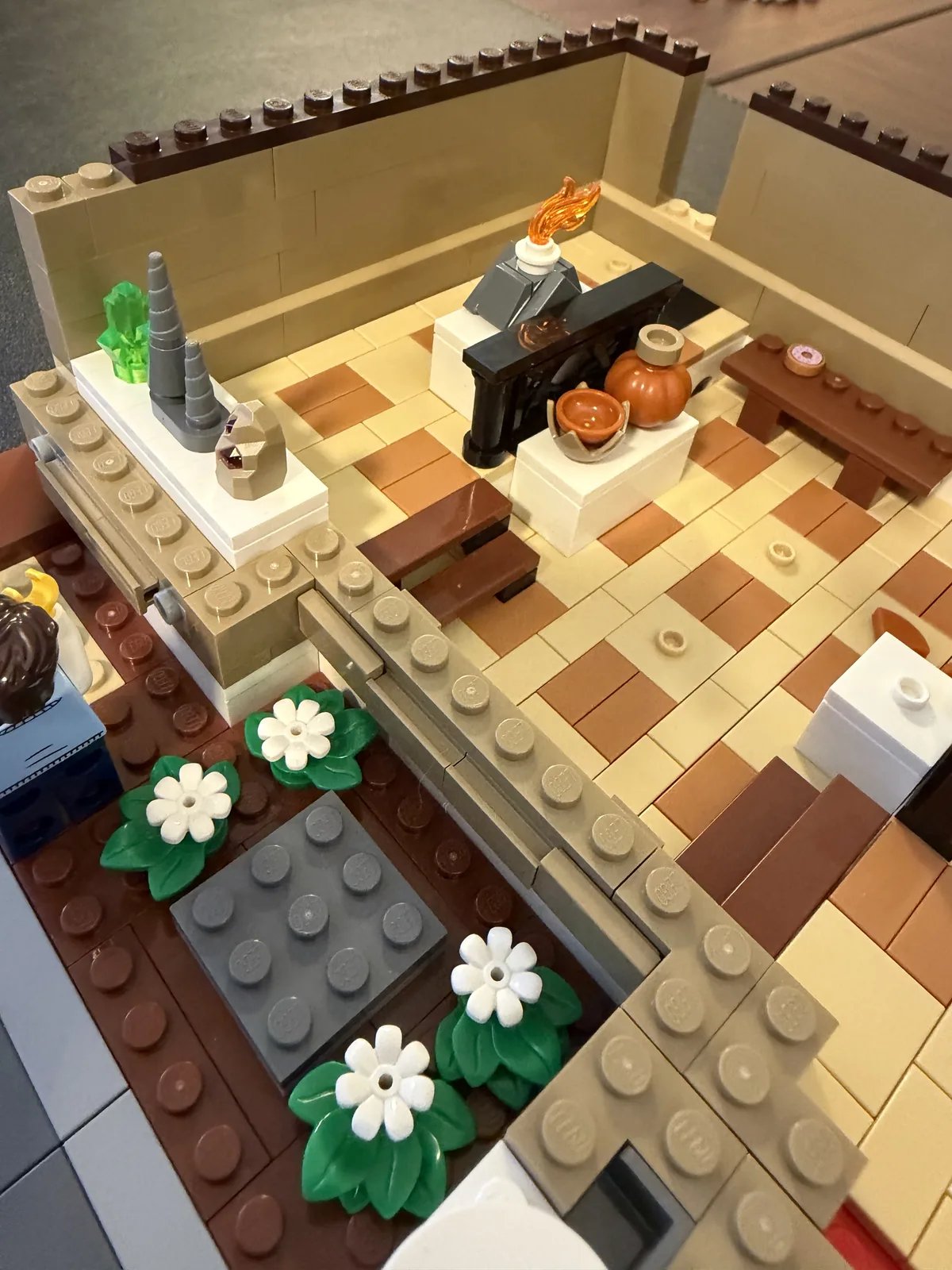
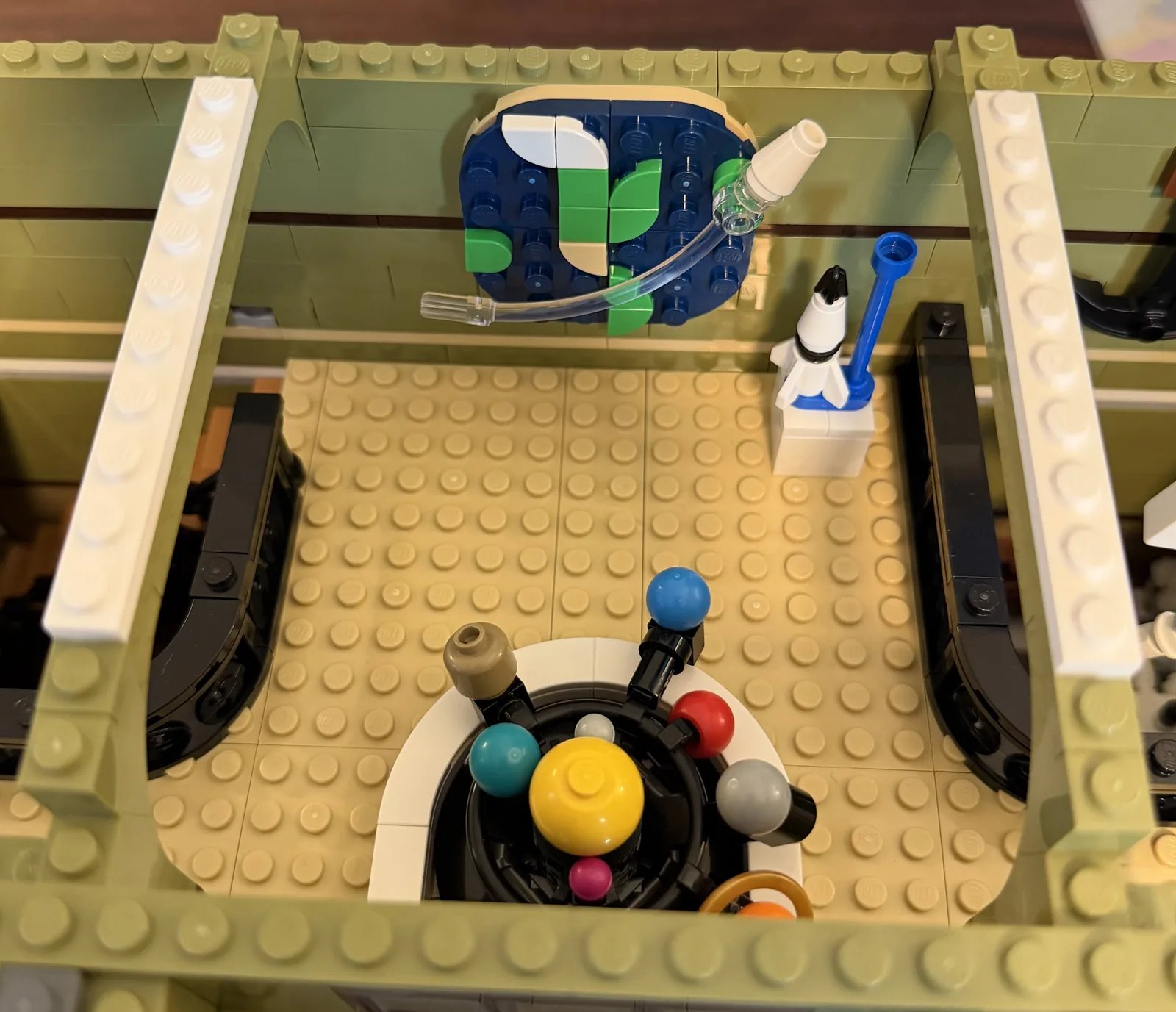
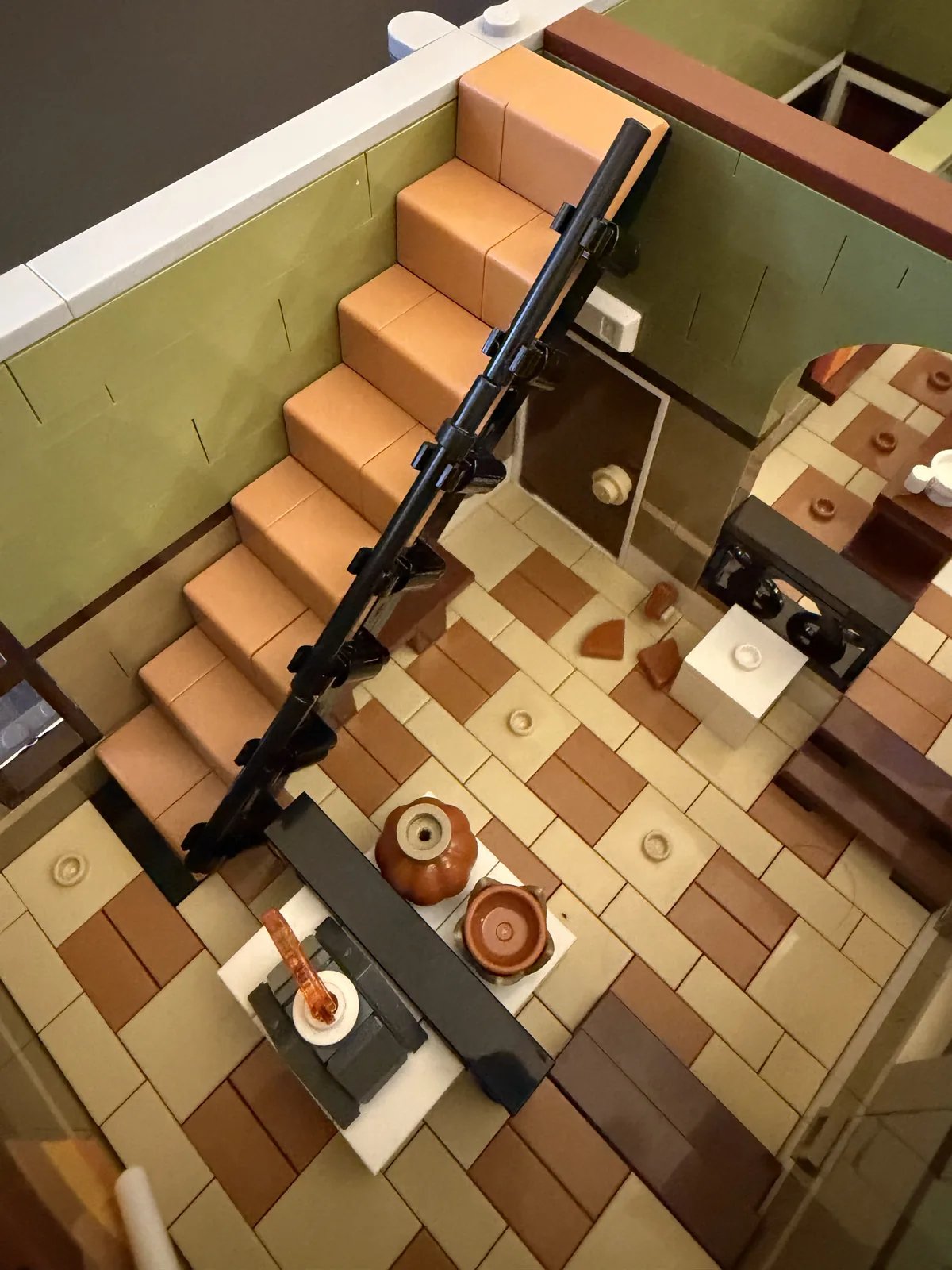
The building process is similar to other modulars - one floor at a time. One of the best parts about building this one is all the 'exhibits' on the inside of the museum. There is a dinosaur, dinosaur poop, rockets, planets, headwear, etc. It's always fun to see how the designers will use a minimal amount of parts to create something you recognize easily - like a ship. The standout exhibits are the brachiosaurus skeleton and an orrery of the solar system that uses minifig microphones, heads, and 'voodoo ball' planets — Saturn's rings included.
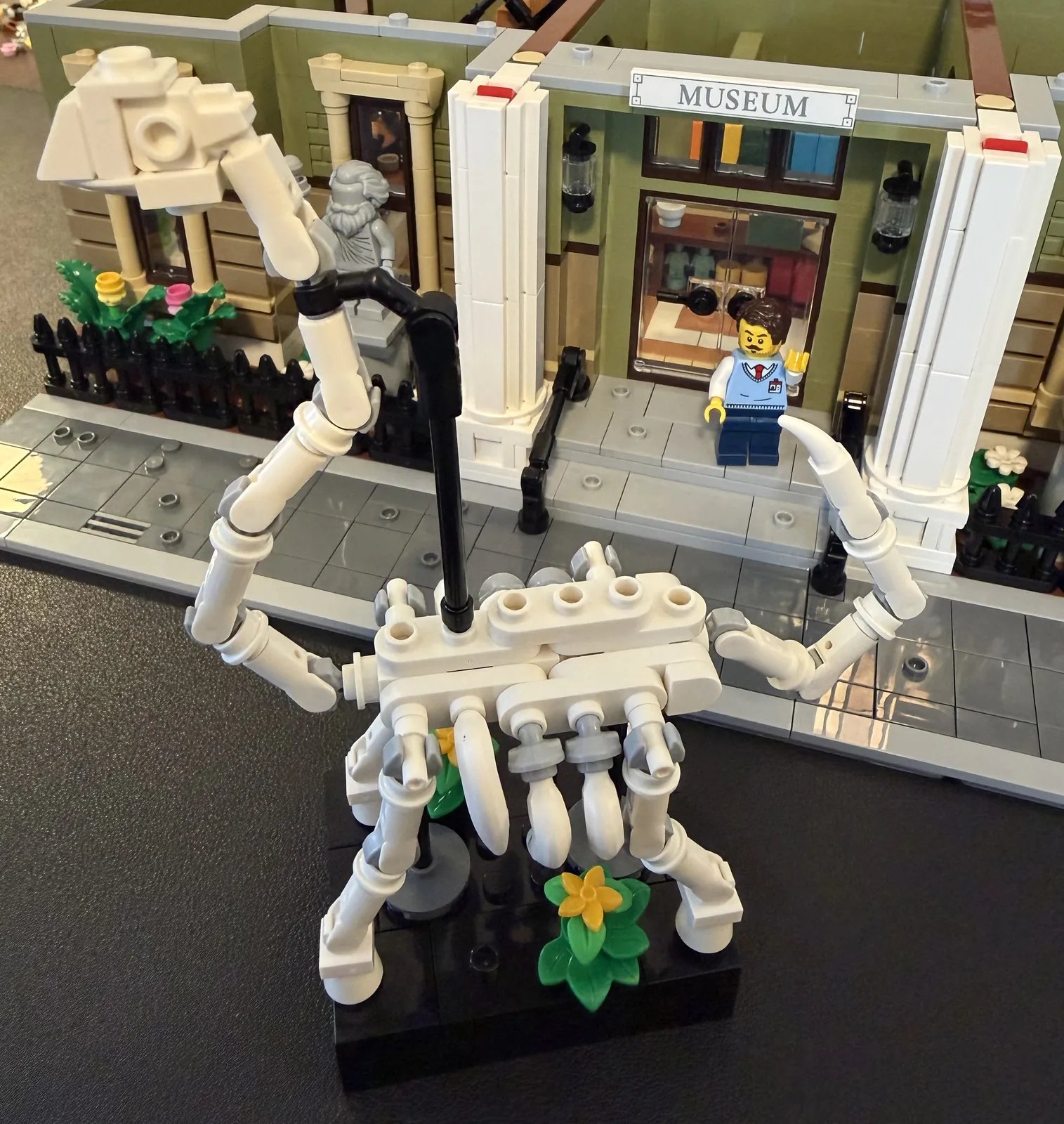
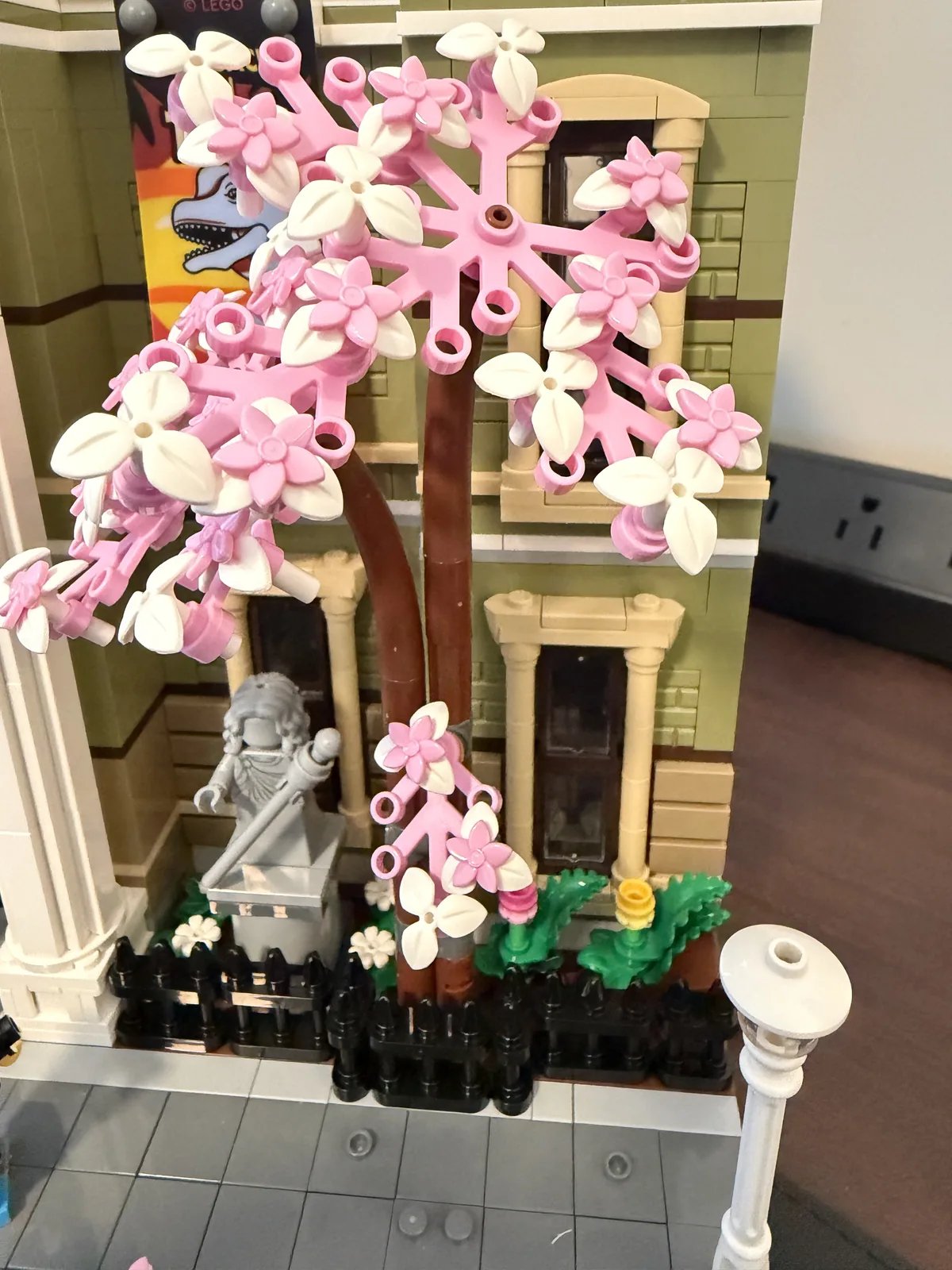
Also, we found the pillars up front along with pretty much everything on the outside to be fun to build. Spread across 33 numbered bags, it's an easy one to dip in and out of over several sessions. Fair warning: a lot of the build is straightforward vertical stacking of olive green brick, so if you're chasing advanced techniques the walls can feel repetitive — the exhibits, foliage, and finer exterior details are where the fun is.
Is the LEGO Natural History Museum worth it?
Overall, it's a great set. The scale and the olive-green palette won't be for everyone, and the build leans simple for the price, but within the modular collection this is about as complete a "museum" as you could ask for. If you have the money to spare on it, it's a no brainer.
Pros
- Modular
- Some cool architectural chocies
- fun exhibits inside
Cons
- Expensive
- Lots of olive green